Most Americans Disapprove of Election Betting as Networks Add Prediction Market Odds
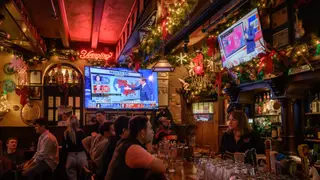
A Reuters/Ipsos poll found that 60% of U.S. adults oppose using prediction markets to wager on election results, while 13% support it. CBS News plans to include real-time Kalshi prices in its midterm coverage, following similar arrangements at CNN and CNBC. The poll also showed that three-quarters of Americans view prediction-market election wagering as a form of gambling.
A Reuters/Ipsos survey of 4,506 adults, conducted Sept. 30–Oct. 5, found broad cross-party resistance to election wagering: 69% of Democrats and 61% of Republicans opposed it. Three-quarters classified such markets as gambling, and only 7% reported ever betting money through one.
CBS News said it would show Kalshi’s live prices during midterm coverage, joining CNN and CNBC. Kalshi also gets AP race calls. An August analysis found Polymarket’s top 1% of wallets generated 68% of 2026 congressional market volume, while most such markets had under 100 traders.
Embedding prediction-market odds in mainstream midterm coverage may shape how viewers interpret electoral momentum, even if most say they oppose election betting. This could affect voters, journalists, and traders by blurring reporting and gambling-style signals. Because a small share of wallets drives much trading, displayed prices may reflect narrow activity rather than broad public sentiment. Regulators and platforms may face more scrutiny as these partnerships expand.