Cattle Lobby Knew About Livestock Methane’s Climate Risk Decades Ago, Records Show
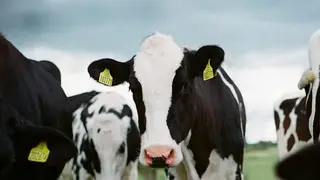
A new study reports that the leading U.S. cattle trade association understood by 1989 that livestock emissions contributed to global warming. Instead of acting on that knowledge, the group questioned the science and pushed back against calls to eat less meat. Researchers reviewed internal documents, news reports, and government records to trace the industry’s messaging strategy.
By 1989, a National Cattlemen’s Association representative attended an EPA workshop on livestock methane, and the group understood that livestock emissions contributed to global warming. Records show it knew options to reduce methane existed, yet it viewed methane messaging as a danger to buyer confidence and sought to influence public understanding and rebut suggestions to cut beef consumption.
A 1991 children’s book dispute illustrates this pushback: after a publisher included a methane warning, the association objected and the book was not reprinted.
This study may influence public trust in beef industry messaging and in climate science communication. Consumers could become more skeptical of industry claims about meat and emissions, while farmers and ranchers may face renewed scrutiny or pressure to adopt lower-methane practices. Policymakers might cite the records in debates over dietary guidelines, agricultural subsidies, or emissions reporting.