Genesis Mission Supports Digital Twin for Rapid Fusion Plasma Forecasting
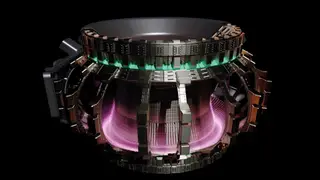
A new US Department of Energy-backed effort is creating a digital twin for forecasting fusion plasma behavior. The tool aims to deliver predictions in under 20 minutes. The project is focused on the SPARC fusion device.
The Genesis Mission is supporting a US Department of Energy-backed effort to create a digital twin for fusion plasma forecasting. The tool is intended to deliver predictions in under 20 minutes, and the project is focused on the SPARC fusion device. This sits within the wider challenge of making fusion research more predictive and timely, though the available material does not detail methods, partners, or timelines beyond those points.
If rapid forecasting proves workable, it could help researchers plan and interpret SPARC experiments more efficiently, potentially speeding fusion science. Those affected may include fusion scientists, engineers, and eventually energy stakeholders if the approach is validated. Because the project is described only in early terms, its broader societal effects remain uncertain and may depend on future testing and adoption.