Ozone pollution from Amazon fires damages surviving trees
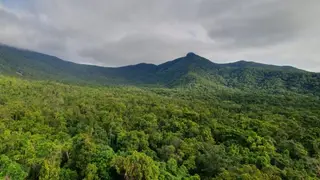
A study found that ozone produced by Amazon fires harms trees that survive the flames, injuring their leaves and reducing their ability to take up carbon dioxide. This indirect effect adds to the rainforest's carbon losses and may become worse during severe drought. Most Amazon fires are started by people, often to clear land for farming and ranching, and can spread into surrounding forest.
The findings could matter to communities near Amazon fires, who may breathe ozone-polluted air, and to people worldwide who depend on the rainforest’s carbon storage. If drought makes the effect worse, the forest may absorb less carbon dioxide than expected, potentially complicating climate projections. Farmers and ranchers linked to fire use may also face greater scrutiny, while governments and researchers could use the results to weigh fire prevention, air-quality monitoring, and forest protection. These are possible consequences, not certain outcomes. Count: The1 findings2 could3 matter4 to5 communities6 near7 Amazon8 fires,9 who10 may11 breathe12 ozone-polluted13 air,14 and15 to16 people17 worldwide18 who19 depend20 on21 the22 rainforest’s23 carbon24 storage.25 If26 drought27 makes28 the29 effect30 worse,31 the32 forest33 may34 absorb35 less36 carbon37 dioxide38 than39 expected,40 potentially41 complicating42 climate43 projections.44 Farmers45 and46 ranchers47 linked48 to49 fire50