Gut Inflammation May Reactivate Sleeping Breast Cancer Cells in Bone Marrow
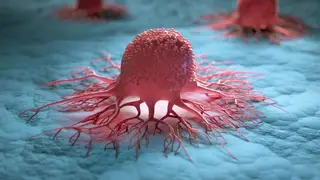
Researchers at the Francis Crick Institute report that gut inflammation can rouse dormant breast cancer cells in a mouse model of bone marrow. The team created a bone-like structure under the skin from skeletal stem cells, added mammary tumor cells, and observed that most became inactive until inflammatory signals appeared. Published in Cell Reports, the work suggests that immune changes needed to make more blood cells may also create conditions that help metastatic cancer grow.
Researchers built a bone-like structure beneath mouse skin from skeletal stem cells. It contained marrow components capable of making blood cells and responded to inflammatory signals much like natural marrow. When mammary tumor cells were placed on it, many stopped dividing, creating a model of long-term dormancy.
Inducing colitis in the gut prompted this artificial bone to rapidly increase immune cell output. That shift coincided with higher HMGB2, a molecule that encourages growth, and more dormant cancer cells re-entering division. Bone samples from people with breast or prostate tumors also showed HMGB2 near cancer cells that were dividing.
People treated for breast cancer, particularly those whose cells may persist in bone marrow, could be affected if inflammation elsewhere in the body influences relapse risk. Clinicians and researchers may use these findings to explore whether monitoring inflammatory conditions or targeting molecules such as HMGB2 could help manage dormant disease. Because the evidence comes from a mouse model, any human benefit or risk remains uncertain and would require further study.