Latin American cartels expand cocaine networks across Europe, investigation finds
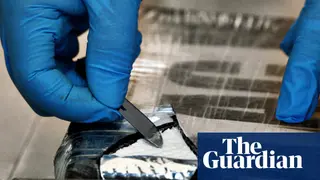
A four-month Guardian investigation found that criminal groups from Colombia, Brazil, Ecuador, Venezuela, Mexico and the US are active in at least 12 European countries, with some estimates suggesting 16. Cocaine seizures in Europe rose by 471% between 2014 and 2024, and local labs processing cocaine derivatives were increasingly dismantled. The networks have built close ties with European mafia organizations.
A Guardian probe lasting four months used databases, police and intelligence sources, plus interviews with judges, prosecutors and specialists in eight nations. It found groups from Colombia, Brazil, Ecuador, Venezuela, Mexico and the US operating in at least 12 European states, possibly 16. Seizures of cocaine in Europe increased 471% from 2014 to 2024, while more labs making cocaine derivatives were shut down.
Named networks include Sinaloa, CJNG, Clan del Golfo, ELN, Farc dissidents, PCC, Comando Vermelho, Tren de Aragua, Barrio 18 and MS-13. Their presence is strongest in Spain, Portugal, the Netherlands, Belgium and France, with activity also seen in Germany, Romania, Croatia, Slovakia and Bulgaria. Some work with European mafia groups.
The expansion may affect European communities through increased drug availability, violence linked to trafficking, and pressure on health, policing and justice systems. Ports, coastal regions and transport hubs could see more corruption or intimidation, while vulnerable users may face greater harm. Latin American source and transit countries may also experience intensified criminal competition and displacement. European mafia ties could deepen cross-border illicit markets, complicating efforts to protect public safety.