A childhood pigeon visitor became an unsettling, persistent pest
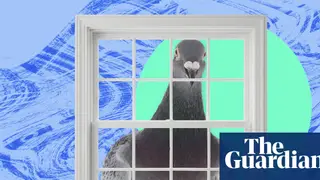
A personal essay describes how a pigeon appeared on the author’s windowsill during a spring holiday and was fed toast. The bird soon entered the house and returned repeatedly, forcing the author to avoid its intense gaze for weeks. The story recounts a memorable and eerie human-animal encounter.
The narrator was eleven during a spring break, living on the top floor of a quiet Somerset village house. Pigeons were rare there, so sightings felt special. After dawn, a bird with dark wing bars and a navy-tipped tail arrived at the sash window while the narrator ate toast and watched television.
The narrator offered a piece of toast and named the pigeon Percy. It soon hopped inside, evaded attempts to shoo it out, and returned daily. Eventually the narrator and sister avoided the living room, kept curtains or shutters closed, and crawled to the kitchen until the bird stopped appearing around Easter.
This personal essay could prompt readers to reflect on casual wildlife feeding and the boundaries between curiosity and nuisance. Families, children, and people who feed birds may recognize how quickly a small kindness can become a persistent expectation. Its eerie tone may also shape public perceptions of pigeons, making some more cautious about inviting wild animals close to homes.