Stem-Cell Embryo Models Fail to Fully Match Natural Human Embryos
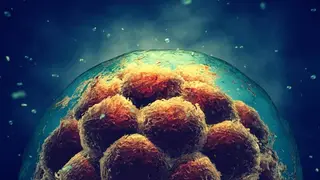
University of Sydney researchers created a computational framework to compare four methods for making blastoids, using over 14,000 single-cell transcriptomes from human embryos. They found that some models captured important features of early development, but none fully reproduced natural human embryo biology. Blastoids are stem-cell-derived research models, not actual embryos, and cannot develop into a human embryo.
A University of Sydney team devised a computational approach to judge blastoids produced by four commonly employed protocols. The comparison drew on more than 14,000 single-cell transcriptomes from human embryos, following gene activity around the days before and after implantation.
The assessment looked at cells' molecular identities, developmental timing, and lineage placement. Some models corresponded fairly closely to the three principal lineages of a natural blastocyst; others represented particular cell types poorly or held many cells that could not be confidently assigned to a known embryonic state. Blastoids are laboratory models grown from stem cells, not true embryos, and they lack the capacity to become a human embryo.
This research may help scientists and clinicians interpret stem-cell embryo models more cautiously, potentially affecting fertility and pregnancy research. By clarifying which cell types and stages models reproduce, it could guide more reliable experiments and reduce chances of overstating findings. Policymakers and ethicists may also use such comparisons when discussing oversight, though the study itself does not settle ethical debates. Patients could benefit indirectly if better models improve understanding of early development, but near-term clinical applications remain uncertain.