Pennsylvania Post-Conviction Delays Leave Prisoners Waiting Years for Legal Filings
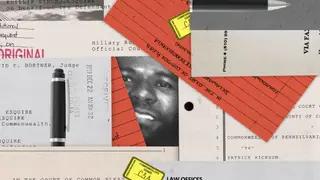
A Pennsylvania man spent nine years in prison waiting for his appointed post-conviction lawyer to file a brief, while the attorney sought dozens of extensions. The state lacks robust funding and standards for legal defense for poor people, and flat-fee caseloads can push lawyers months or years behind. Although prisoners face strict deadlines, their lawyers often face no limit on how long they can delay cases.
Nolan O’Neal was arrested at 20 in Chester after four eyewitnesses identified him. At his 2005 trial, those witnesses recanted, saying police pressured them. He insisted he was innocent. By 2013, he had spent eight years imprisoned when Scott Galloway was appointed to seek relief under Pennsylvania’s Post Conviction Relief Act. A judge had granted 32 extensions by 2020.
After nine years, one failed evidence request, and 41 extensions, Galloway filed a two-page petition addressing one claim. It was not enough to obtain a hearing. Pennsylvania has promised meaningful legal help after conviction for people unable to pay, but has invested little and set few standards. Earlier reporting linked no-merit letters and flat-fee caseloads to delayed or overlooked claims.
The delays may leave incarcerated people and their families enduring prolonged uncertainty, while victims and communities wait longer for finality. Because post-conviction review can correct serious errors, slow counsel could extend wrongful imprisonment or delay resolution for valid convictions. Underfunded representation may also strain courts and erode confidence in the promise of counsel, though the full effects depend on how Pennsylvania changes funding, oversight, and deadlines.