Why medical training alone doesn't create effective physician leaders
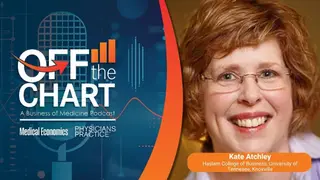
Kate Atchley, Ph.D., of the Haslam College of Business at the University of Tennessee, Knoxville, explains that clinical expertise by itself does not prepare physicians for leadership. She outlines five capabilities she views as critical and discusses how organizations can cultivate leaders before they enter formal leadership roles.
Atchley’s central point is that clinical skill and leadership ability are separate. A physician may be highly trained in medicine yet still lack the capabilities needed for leadership. She outlines five capabilities she views as critical, and she argues that organizations can cultivate leaders before they enter formal leadership roles.
This places the discussion within broader questions about how healthcare institutions prepare physicians for leadership. It suggests development can begin earlier, before a formal title, so physicians are better positioned for responsibilities beyond clinical practice.
Physicians, healthcare staff, and patients could be affected if organizations act on this perspective. Earlier leadership development may shape how teams are led and how decisions are made, potentially influencing workplace culture and care coordination. The impact may depend on whether such preparation is offered consistently and valued. It could also encourage broader reflection on what qualifications matter for leadership roles in healthcare.