Putting Oversight in Place Before Healthcare AI Agents Go Live
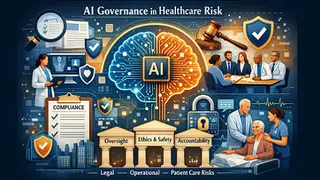
Healthcare organizations are increasingly adopting autonomous AI agents for tasks such as scheduling, clinical documentation, coverage checks, and prior authorization. Because these systems can act on protected health information and make decisions, mistakes can create privacy, bias, and safety risks. The article recommends clear ownership, data privacy safeguards, human review of clinical decisions, ongoing testing, and audit documentation.
Healthcare is shifting from limited AI trials toward autonomous agents that can book visits, write notes, verify benefits, and assist prior authorization. Because these systems interpret data and initiate actions, they may process protected health information and create privacy, bias, or safety concerns if unmanaged. The World Health Organization has urged ethical and governance guidance for health AI.
A workable approach starts small: choose a lower-risk task, assemble reviewers from clinical, technical, compliance, and operational teams, test against actual workflows, and expand only after results are reviewed. The NIST framework can help track risk, while logs and named accountability support oversight.
If healthcare groups adopt these governance steps, patients may gain from fewer administrative delays and more consistent oversight of AI-driven decisions. Clinicians and staff could face new documentation, review, and monitoring duties, potentially changing workloads. Privacy and bias risks may be reduced when human review and audit trails are used, though poorly governed agents could still erode trust or cause harm. Regulators and vendors may also face pressure to demonstrate accountability.