EU's Russian energy bill since Ukraine invasion put at €197 billion
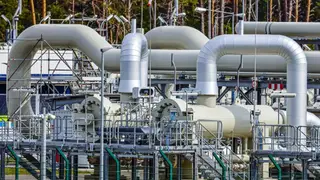
European Union payments to Russia for fossil fuels between March 2022 and July 2026 are estimated at about €197 billion, or $209 billion, according to Ukrainian reporting that cites EU data. That figure is below the $250 billion total President Donald Trump had mentioned. In a related dispute, seven U.S. senators said allowing Russian diesel imports would violate a 2022 congressional ban, and Volodymyr Zelenskyy questioned the scale of the shipments.
EU figures place cumulative fossil-fuel payments to Moscow at roughly €197 billion, or $209 billion, from March 2022 through July 2026. That is lower than the $250 billion figure President Donald Trump cited. EU estimates suggest REPowerEU prevented about €278 billion in extra outlays; without it, payments might have neared €475 billion. By 2023, Russian supplies made up only around 6% of the bloc’s fossil-fuel spending.
In the diesel dispute, seven senators from both parties said allowing Russian imports would break a 2022 congressional ban and asked Trump to reverse course. Zelenskyy said proposed volumes of 300,000–500,000 tons monthly are small beside global use of 120 million tons, and asked why no similar US arrangement exists for Ukrainian diesel.
These developments may influence public debate about energy costs, sanctions, and allied support for Ukraine. European households and industries could face continued price uncertainty as the bloc weighs Russian fuel dependence. US diesel buyers, refiners, and shippers might see market changes if import rules shift. Ukrainian civilians and energy workers could remain exposed to infrastructure strikes, while ceasefire talks may affect their safety. Transatlantic trust and congressional oversight may also be tested as officials interpret the 2022 ban and weigh further measures.