Cave Art in Xinjiang Reveals Bronze Age and Yuan-Era Buddhist Phases
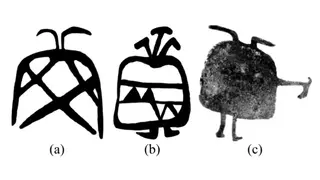
Researchers examining the Tangbaletasi Cave Paintings in Xinjiang’s Altai region have identified at least two distinct periods of image-making. The earlier artwork is generally attributed to the Bronze Age. Later paintings feature Tibetan Buddhist motifs associated with the Yuan dynasty, indicating later cultural use of the cave.
Study of the Tangbaletasi cave paintings in Xinjiang’s Altai region indicates that the site was decorated in more than one era. Researchers have identified at least two separate phases of image-making. The older phase is generally placed in the Bronze Age. A later phase includes Tibetan Buddhist motifs tied to the Yuan dynasty, suggesting the cave was used culturally at a later time. This sequence makes the site relevant to studies of long-term cave use and changing visual traditions.
Findings like these may shape how archaeologists, historians, and educators discuss Xinjiang’s deep past and Buddhist heritage. They could encourage greater public interest in cave art and cultural preservation, potentially affecting local communities through heritage tourism or site management. They may also inform museum displays and scholarly debate about how different eras left marks on the same landscape.