Inscribed Oracle Stone from Kibyra Describes Bone-Based Divination
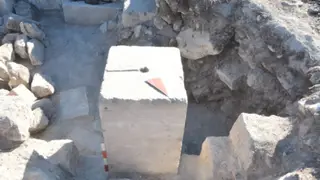
A limestone block discovered in 2024 at Kibyra in southwestern Turkey contains Greek inscriptions describing an ancient oracle. The text records a divination method involving throws of animal bones, specifically sheep bones, and lists 56 possible answers. Such bone-based fortune-telling was practiced in parts of southern Asia Minor during the Roman period.
The Kibyra limestone block bears Greek inscriptions that describe an oracle procedure: divination by throwing animal bones, specifically sheep bones, with 56 listed answers. It places such bone-based fortune-telling in southern Asia Minor during the Roman period. As a 2024 discovery from southwestern Turkey, the find connects Kibyra to broader questions about how ancient communities recorded and used ritual knowledge. Its value lies in documenting both a method and a set of responses.
The discovery could draw attention from archaeologists, historians, and visitors interested in ancient religion and epigraphy. For people near Kibyra, it may strengthen local pride and heritage tourism, though any economic or cultural effect would likely be modest. General audiences may gain a more concrete sense of how divination was recorded in the Roman period. These possible impacts depend on further study, publication, and how the find is presented to the public.