CHIME detects ancient hydrogen signal that may illuminate dark energy
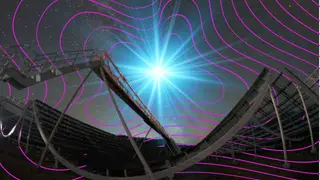
Researchers have shown that the CHIME radio observatory can detect faint hydrogen emission from the distant universe, offering a new way to study dark energy. This approach could be faster and cheaper than existing methods for probing the force behind the universe's accelerating expansion. CHIME was designed to investigate dark energy, and the detection marks a significant milestone for the project.
CHIME, the Canadian Hydrogen Intensity Mapping Experiment, was built to study dark energy. Researchers have now confirmed it can pick up a weak radio signal from hydrogen in the distant universe. Hydrogen is the cosmos's most abundant element and the material from which stars form; its emission can trace how matter is spread through space.
Earlier work required combining CHIME data with galaxy surveys from other telescopes, which was costly and limited to certain dense regions. The new direct detection may offer a quicker, cheaper route to probing dark energy, which makes up about 68% of the universe's matter-energy budget and drives accelerating expansion.
This result may affect astronomers, cosmologists, and publicly funded research institutions by opening a lower-cost path to studying dark energy. If the technique matures, it could shape future telescope funding and international collaboration, while giving the public new insight into the universe's fate. Benefits may include faster data collection and broader access for smaller teams; uncertainties remain, since the method's precision and long-term reliability are not yet established.