Red Dead Redemption's Ending Surprised Dan Houser With Player Backlash
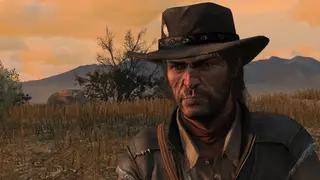
Dan Houser discussed the decision to kill John Marston at the end of Red Dead Redemption, recalling talks with lead designer Christian Cantamessa and production concerns about an open-world game after the protagonist dies. The team chose to continue as John's son Jack, requiring a three-year time jump to 1914 so he could be 19. Houser was surprised by how angry some players were, though the ending later became regarded as a narrative masterstroke.
Dan Houser, Rockstar's former vice president and a writer on Red Dead Redemption, recalled debating John Marston's death with lead designer Christian Cantamessa. Both favored the idea, but Houser considered production logistics: open-world titles often allow continued exploration after the main narrative ends. If John died, another character would need to become playable.
They selected Jack, John's son, who was 16 through most of the game. To make him a believable adult lead, Rockstar advanced the setting three years to 1914, making Jack 19. Houser also weighed technical and story problems, including how unfinished side-character arcs would function, before concluding it might work despite lingering fear.
The backlash Houser describes may illustrate how deeply players can invest in game protagonists, treating interactive stories as shared property. For developers, it could reinforce that bold narrative choices can provoke strong emotional responses while still shaping industry expectations. Audiences beyond gaming might see how interactive media can generate attachment and debate comparable to film or literature, though the anger also highlights tensions between authored endings and player agency.