CRISPR Technique Turns Male Mouse Clones Female, Aiding Conservation Efforts
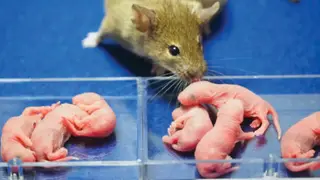
Researchers used a CRISPR-based tool called Y-CUT to remove the Y chromosome from cloned male mouse embryos, producing female clones with a single X chromosome. The resulting female mice were healthy and fertile, according to a study that has not yet been peer-reviewed. The approach could eventually help conserve endangered species that have very few surviving individuals.
The method was inspired by the Okinawa rubble goby, a fish that naturally changes sex. Y-CUT, a CRISPR-based tool, was tested first on IVF male mouse embryos, then on cloned embryos created by transferring a donor nucleus into an egg stripped of its own. Surrogates birthed healthy, fertile female clones. The donor male later met those clones, which bred with male clones and produced ordinary XX or XY offspring.
The study has not been peer-reviewed. Its usefulness may be limited: XO female rodents can reproduce, but many mammals, including horses and humans, generally cannot with that chromosome makeup. Future techniques that add an X chromosome might help.
If refined, this approach could influence conservation by helping create breeding pairs from scarce male donors, potentially aiding species with few remaining individuals. It may also raise ethical and welfare questions around cloning and genome manipulation, affecting conservationists, regulators, and the public. Near-term impact likely remains limited because the method is unproven in most mammals and not peer-reviewed.