Why proximity sensors remain essential in modern smartphones
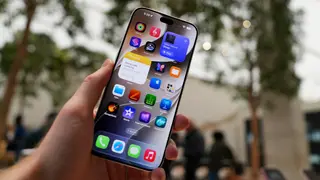
Proximity sensors are a category of components that smartphones rely on for several functions, most notably turning off the display when the phone is held to the ear. They use infrared or capacitive technology to prevent accidental touches and save battery, while advanced versions support features like Face ID and attention-aware behavior. The data is generally kept private, with companies using encrypted hardware to protect facial recognition information.
Proximity sensing is not one component but a group of technologies. The simplest uses infrared or capacitive detection to darken the display when the handset nears the ear, reducing unintended taps and conserving power. More sophisticated infrared systems, such as Face ID, project dots to build a depth map and compare it with a stored profile. Attention-aware behavior can then adjust brightness, alert volume, or content visibility.
Other proximity-related parts include NFC, which works only across an inch or two and supports payments, digital keys, pairing, and file sharing, so access is limited to approved apps. Capacitive touchscreens react to the body's electrical charge, while Bluetooth Low Energy can recognize nearby trackers or beacons. LiDAR can map rooms or assist low-light camera focus.
Count words. First para: Proximity(1) sensing2 is3 not4 one5 component6 but7 a8 group9 of10 technologies11. The12 simplest13 uses14 infrared15 or16 capacitive17 detection18 to19 darken20 the21 display22 when23 the24 handset25 nears26 the27 ear28, reducing29 unintended30 taps31 and32 conserving33 power34. More35 sophisticated36 infrared37 systems38, such39 as40 Face41 ID42, project43 dots44 to45 build46 a47 depth48 map49 and50 compare51 it52 with53 a54 stored55 profile56. Attention-aware57 behavior58 can59 then60 adjust61 brightness62, alert63 volume64, or65 content66 visibility67. 67 words. Second: Other1 proximity-related2 parts3 include4 NFC5, which6 works7 only8 across9 an10 inch
These sensors may shape daily phone use by reducing accidental inputs and protecting calls, while facial and NFC data could raise privacy expectations. People who depend on calls, facial authentication, mobile payments, or digital keys may feel the benefits most, though any failure or misuse could erode trust. Manufacturers may face pressure to explain sensor behavior clearly, and users may increasingly expect controls over when attention detection or nearby-device scanning is active. Count: These1 sensors2 may3 shape4 daily5 phone6 use7 by8 reducing9 accidental10 inputs11 and12 protecting13 calls14, while15 facial16 and17 NFC18 data19 could20 raise21 privacy22 expectations23. People24 who25 depend26 on27 calls28, facial29 authentication30, mobile31 payments32, or33 digital34 keys35 may36 feel37 the38 benefits39 most40, though41 any42 failure43 or44 misuse45 could46 erode47 trust48. Manufacturers49 may50 face51 pressure52 to53 explain54 sensor55 behavior56 clearly57, and58 users59 may6