Russian troll networks keep operating despite strikes on Yandex data centers
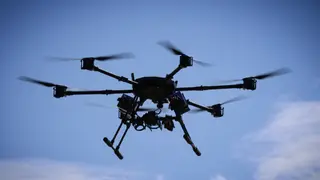
After Ukrainian drones struck Yandex data centers, President Volodymyr Zelenskyy said Russian disinformation activity on social platforms had eased. However, the antibot4navalny monitoring account reported that bot traffic stayed at normal levels, and the strikes appeared to affect Yandex web crawlers rather than political troll networks. Kremlin-linked accounts continued sharing false videos.
Ukrainian drone attacks damaged multiple Yandex facilities, prompting President Zelenskyy to say social platforms felt calmer, with reduced hostility and fewer inflammatory posts. Some users also believed engagement fell around MAGA and AfD accounts and that unwanted calls and messages declined.
Yet monitoring account antibot4navalny found automated traffic unchanged. Kremlin-linked profiles continued circulating fabricated clips about EU sanctions. Danish analyst Valdemar Osted observed higher engagement on those political accounts after the strikes, and charts suggesting bot declines looked AI-generated. The disruption mainly hit Yandex’s web-crawling systems, not troll operations.
The episode may shape public trust in wartime claims and platform moderation. Users exposed to fabricated videos could remain vulnerable to misleading narratives, while analysts and journalists may rely more on independent bot-tracking data. If strikes are wrongly credited with reducing disinformation, policymakers could misjudge threats and allocate resources poorly. Platforms and affected communities may face continued manipulation regardless of infrastructure damage.