Weather Patterns Complicate Winter Footwear Buying for Retailers
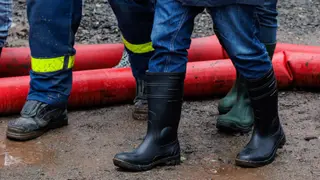
An expected Super El Niño could shift when shoppers buy winter boots, either delaying cold-weather purchases or bringing rain boots to shelves earlier. Retailers have already placed standard orders, with some planning cautiously and others adding waterproof styles. One Austin retailer said women’s boots are up 36 percent after increasing inventory, and it added rain boots for the first time in more than 30 years.
Retailers had already committed to standard winter orders before the expected Super El Niño. The World Meteorological Organization called 2026–2027 a historically strong event, with possible record warmth and a stormier, wetter Gulf Coast winter. Northern areas may see milder conditions and less snow, potentially softening demand for cold-weather gear.
Karavel Shoes in Austin tracked weather from last November, added Australian Merry People rain boots for the first time in over three decades, and reported women’s boots up 36 percent. A South Carolina boutique stayed cautious amid lower online sales, while a mid-Atlantic retailer saw less direct weather risk.
Weather-driven shifts in footwear demand could affect shoppers’ timing and choices, retailers’ inventory risk, and workers tied to seasonal sales. If winter stays mild, cold-weather stock may linger and prompt discounts; if storms and flooding arrive, waterproof and rain boots may sell earlier. Smaller independent shops may feel these swings more acutely, while consumers may find either delayed boot promotions or limited cold-weather options depending on regional conditions.