The Yellowstone Wolf Story Is More Complicated Than the Viral Version
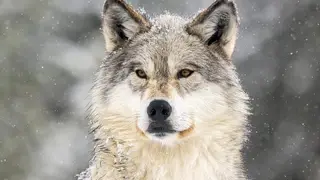
Wolves reintroduced to Yellowstone in 1995 reduced elk numbers, but long-term research indicates they did not fully restore willows, aspen, and the wider ecosystem as the popular trophic-cascade story claims. The simple narrative held that wolves changed elk behavior and allowed vegetation and beavers to recover, yet ecological outcomes were more complicated. The article examines both the science and why the simplified version became so appealing.
Yellowstone, established as the world’s first national park and spanning roughly 3,500 square miles in the western U.S., began wolf reintroduction in 1995. After wolves were eliminated in the 1920s, elk numbers rose and heavy grazing along waterways converted willow, aspen, and beaver habitat into open grassland.
Early 2000s research proposed a trophic cascade: wolves reduce elk, allowing plants to recover. Later data complicated this. Elk are also hunted by bears, mountain lions, and people, and hunger often outweighs fear. Some trees rebounded in places, but not across the landscape; the park’s lead wolf biologist rejected the cascade label, describing a much weaker ecological effect.
The simplified Yellowstone story may shape public expectations about rewilding and predator restoration. Conservation groups, policymakers, landowners, and local communities could be affected if they assume reintroducing wolves reliably restores vegetation and waterways. The viral version may build support for ecological interventions, but if outcomes prove slower or partial, trust in science and conservation messaging could suffer. A more nuanced account may help the public appreciate complexity and avoid overpromising.