How 1990s tailoring and 18th-century figures shaped the new Sense & Sensibility costumes
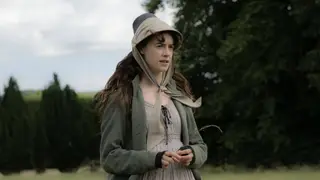
Costume designer Grace Snell looked to 1990s avant-garde tailoring for Georgia Oakley's 2026 film adaptation of Sense & Sensibility. For Daisy Edgar-Jones's Elinor, she drew on deconstructed pieces by Yohji Yamamoto, Comme des Garçons, and Ann Demeulemeester, using raw seams and loose shapes with earthy fabrics. For Marianne, Snell turned to late 18th-century figures such as Lady Emma Hamilton and Marie Antoinette.
Grace Snell, a British costume designer, built Elinor's wardrobe around 1990s deconstructed tailoring from Yohji Yamamoto, Comme des Garçons, and Ann Demeulemeester. Exposed seams, unfinished edges, roomy cuts, and muted weathered textiles connected Elinor's restraint to the Dashwoods' reduced circumstances.
For Marianne, Snell referenced late-1700s figures Lady Emma Hamilton and Marie Antoinette, especially the chemise à la reine, an early example of undergarments worn visibly. The production used natural dyes—madder, logwood, elderflowers—and largely handmade garments, with color shifts marking Barton's warmth and London's lively hop.
This approach could broaden audience interest in deconstructed tailoring and historical dress, potentially affecting fashion students, costume designers, and viewers who follow Austen adaptations. It may also encourage period films to treat clothing as emotional storytelling rather than mere historical accuracy, though its commercial influence remains uncertain.