USDA forest recovery aid overwhelmed by disaster demand
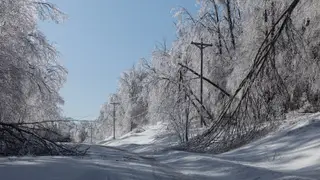
The USDA's Emergency Forest Restoration Program has received more requests for assistance than it can currently fund, halting aid. The program reimburses private landowners up to 75 percent of the cost of restoring nonindustrial forests after disasters. Michigan landowners hit by a 2025 ice storm face delays and uncertainty after much of the $357 million appropriation was directed toward damage from the 2024 hurricane season.
Congress established the Emergency Forest Restoration Program in 2008 through the Farm Bill. It helps owners of nonindustrial woodlands recover after disasters, covering as much as three-quarters of restoration expenses, including removing hazardous damaged trees, replanting, and controlling invasive species.
Congress set aside $357 million for the program roughly two years ago, with the money available until spent. Much of that sum was directed to areas harmed by the severe 2024 Atlantic hurricane season. Michigan’s March 2025 ice storm affected about 3 million forested acres across 12 counties in two days; state officials estimate $14 million is needed for 1 million acres under DNR management.
Delayed aid could leave private woodland owners and rural communities in northern Michigan managing damaged forests without expected support. That may slow removal of hazardous trees, replanting, and invasive-species control, potentially raising safety, fire, and ecological concerns. Because wood products, tourism, and recreation contribute heavily to the region, prolonged uncertainty could also affect local businesses and jobs tied to forest health. The outcome may shape how landowners view federal disaster programs as extreme weather becomes more disruptive.