Ancient Russian Warrior Grave Tied to Sacrifice and Protective Cup
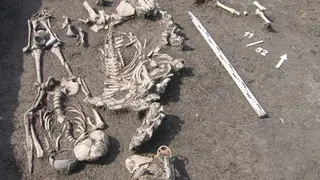
Archaeologists discovered a roughly 2,000-year-old burial in Russia that belonged to an elite warrior. A human sacrifice was found nearby, along with a cup that may have been intended to ward off magical threats. The find offers clues about burial practices and beliefs in the region.
This roughly 2,000-year-old Russian grave belonged to a high-status warrior, and a human sacrifice was found close by. The accompanying cup may have been placed to counter magical dangers. Together, these elements point to burial customs that linked elite identity, ritual killing, and supernatural protection. Because the evidence is limited, the discovery mainly adds to broader archaeological questions about how ancient communities in the region honored certain dead people and expressed fears about unseen threats.
This find could shape how archaeologists, historians, and museum audiences understand ancient burial rituals in Russia. It may encourage closer study of grave goods and nearby remains as evidence of beliefs about status and protection. Local communities and cultural heritage specialists might see renewed interest in the region’s past, while educators could use the discovery to illustrate how archaeology interprets fragmentary evidence. Its broader impact may depend on further research and publication.