Hungary to Open Communist-Era Secret Police Files Amid Memory Debate
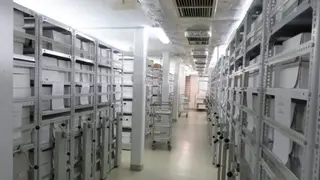
Hungary is preparing to release communist-era secret police files to the public starting November 4, after the date was pushed back from October 22 to allow redaction of sensitive personal information. The publication comes as the country marks the 70th anniversary of the 1956 anti-Soviet uprising and is expected to trigger fresh political debate over how to interpret the communist past. For the first time, records on people who cooperated with state security will be directly accessible online, potentially exposing locally known collaborators.
The archive involved is the Historical Archives of the Hungarian State Security, known as ABTL, and its predecessor body. Since 1997, researchers and people once under surveillance could inspect many records in person, with further releases in the 2000s. Those rights also covered spouses and descendants of deceased targets.
From November, the public will for the first time be able to search online for information about individuals who collaborated with the security services. Priority will go to existing ABTL holdings, including an H-Database of 58,000 names, plus basic paper records. About 9,000 detailed informant dossiers are due in February 2027.
The release may affect former surveillance targets, their relatives, and people named as collaborators, as well as local communities where reputations are shaped by personal knowledge. Online access could make previously obscure cooperation more visible, prompting difficult conversations in families, churches, schools, and workplaces. It may also intensify political disputes over how Hungary remembers communism. Because records can be incomplete or misleading, the process could produce both accountability and unfair suspicion, depending on how carefully the material is interpreted.