How Motor Choice Shapes RC Quadcopter Performance
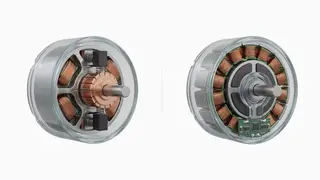
The article explains that RC quadcopters commonly use either brushed or brushless motors, and the choice affects acceleration, control response, durability, and upkeep. Brushed motors are cheaper and common in beginner or indoor drones, while brushless motors cost more but offer better efficiency and longevity. It advises buyers to match motor type with experience, budget, and flying conditions.
Brushed quadcopter motors rely on sliding contacts and a commutator to create rotation. Their simple build keeps prices low, but friction, heat, and gradual brush deterioration can shorten service life. They appear most often in inexpensive beginner or indoor drones.
Brushless motors switch current electronically instead. Removing physical brushes reduces wear and can improve efficiency and thrust, though the motor and its control electronics usually cost more. Performance, freestyle, racing, and camera-carrying craft often use this design.
This information may help hobbyists, beginners, parents, and retailers make more informed purchases. By clarifying trade-offs between cost, upkeep, and performance, it could reduce disappointment and unnecessary spending. It may also encourage safer, more suitable flying in indoor or outdoor settings. Manufacturers might respond by segmenting beginner and performance models more clearly. Overall impact likely modest, centered on consumer choice within recreational drone flying.