Archaeology Reveals the Brutal Fate of People Enslaved by Vikings
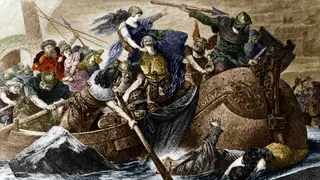
This feature excerpt examines the lives of people enslaved by Vikings, known as thralls, who were captured in raids and traded across Norse networks. It describes legal and written evidence that they were treated as property and sold like livestock. The excerpt also highlights brutal treatment, including a woman whose remains suggest she was killed as an offering to a high-status man.
Norse society included many unfree people called thralls, though they are difficult to detect archaeologically. They could be born into bondage, captured in raids, or taken in war, then sold repeatedly across long distances. Some free individuals even entered temporary servitude to settle debts.
Written and legal sources indicate enslaved people were traded at market centers much like livestock. On farms and in households, thralls performed assigned tasks under a ranked system; a rare few managed estates with the title bryti. One woman’s remains suggest she was killed as an offering to a high-status man, with a single blade blow removing the back of her skull.
This story may deepen public understanding of Viking-age slavery, affecting how descendants, museum visitors, and readers view Norse heritage. It could encourage archaeologists and educators to look beyond elite warriors and traders, giving visibility to marginalized people. Such findings may also prompt reflection on how historical slavery is remembered today, though interpretations remain debated and evidence-limited.