Delayed harvest and wet fall reshape cover crop planning
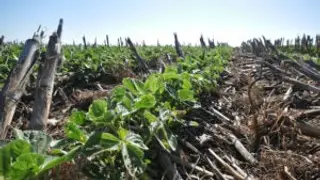
Harvest is running behind in much of the Corn Belt, leaving growers a shorter window to get cover crops established before cold weather. A warm, wet fall could extend nutrient leaching risk, making cover crops more valuable for capturing nutrients. Pioneer agronomists recommend field-by-field choices based on weather, species mix, and the following crop.
Harvest progress in much of the Corn Belt is behind schedule, with corn harvest at 23%, four points below the five-year norm. That shortens the period for establishing cover crops before cold weather and can reduce expected soil-health and pest-related gains.
A warm, wet autumn—linked in the article to Super El Niño—may keep soils nitrifying longer, raising leaching risk. Cover crops can help retain nutrients. Pioneer advises field-specific decisions based on weather, species, and the next crop; cereal rye is common before soybeans, while winter-hardy options suit corn. Aerial or broadcast seeding may work when wet fields prevent drilling.
Growers and their advisers may face tougher fall logistics, with delayed harvest compressing cover-crop establishment. If cover crops go in successfully, they could help limit nutrient losses and erosion, potentially benefiting downstream water quality and long-term soil productivity. If wet conditions prevent timely seeding, nutrient leaching may increase, with possible effects on waterways and farm input costs. Consumers could see indirect effects only if the season’s disruptions influence future production or prices, though that link is uncertain.