Mini DisplayPort's decline: why USB-C and Thunderbolt took over
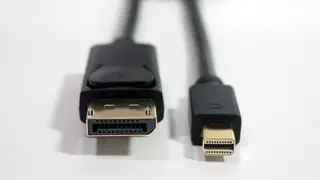
Mini DisplayPort was introduced by Apple in 2008 as a compact video connector and appeared on many Macs. It has largely disappeared from new computers as Thunderbolt 3 and USB-C adopted the same small port for data, video, and power. Full-size DisplayPort remains common on monitors and workstations, so the underlying standard is not obsolete even though the mini version is rare.
Apple introduced Mini DisplayPort in 2008 as a smaller replacement for VGA and DVI. It appeared on many Macs because its compact size suited laptops and small desktops. The connector carried audio and video, and early Thunderbolt versions reused its shape while adding faster data transfer.
Later, Thunderbolt 3 moved to USB-C in 2015 and 2016. USB-C can handle data, video, audio, power, and DisplayPort signals through Alternate Mode, so manufacturers no longer needed a separate Mini DP port. Full-size DisplayPort still appears on monitors and graphics cards.
Consumers and IT departments with older Macs or GPUs may need adapters to connect to newer displays. As USB-C becomes common, fewer dedicated video ports could simplify device design and reduce cable clutter, but may also create confusion because not every USB-C port supports video or Thunderbolt. People replacing old hardware could face extra costs or e-waste from obsolete cables, while monitor and workstation users may remain unaffected because full-size DisplayPort persists.