Plant Remains Reveal Ceremonial Offerings in Cypriot Bronze Age Tombs
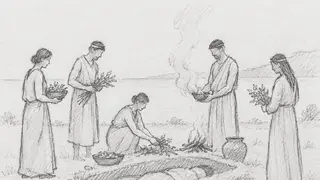
Archaeologists working in Cyprus have identified charred grains and flowering plants inside Bronze Age tombs. The finds indicate that mourners may have deposited food with the dead and burned plant materials as part of ceremonies. Comparable remains from a settlement well suggest these plant-related practices were not limited to funerals.
Archaeologists studying ancient Cyprus have found burned plant material, including grain and flowers, in tombs dated to the Bronze Age. The presence of these remains suggests that people may have placed food with the deceased and used plants in burial ceremonies. Such evidence helps reconstruct ritual behavior from fragile organic traces.
Similar plant remains from a settlement well indicate that these practices were not confined to funerals. Together, the tomb and well finds point to a wider role for plants in ceremonial life during this period.
This research could shape how museums, educators, and local communities in Cyprus present Bronze Age funerary customs. It may encourage greater attention to plant remains in archaeological collections and to the role of ordinary organic materials in ritual. For residents and heritage audiences, such findings could deepen connections to ancient life, though interpretations remain provisional and depend on further study.