Iranians turn to informal finance as sanctions block global banking
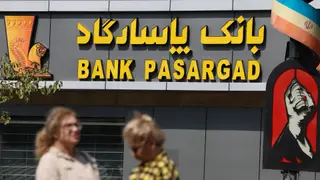
International sanctions have made it hard for Iranians to send and receive money through normal banks. Many use currency exchange networks, intermediary companies, or private arrangements to pay for goods and services overseas. These routes can work but often bring extra fees, delays, exchange-rate losses, and risks.
Long-standing sanctions have sharply limited Iran’s ties to global banking, and the current US-Israeli war has tightened those constraints further. As a result, ordinary people and firms cannot easily make or receive international payments through standard banks.
To cope, some rely on cross-border currency exchangers that offset local and foreign currency needs without direct bank transfers. Others pay intermediaries inside Iran while an overseas partner settles with a supplier using funds held abroad in a widely traded currency. Private deals depend on trust and lack binding legal recourse. Crypto has also been used, though US authorities have sanctioned major Iranian exchanges, including Nobitex, Wallex, Bitpin and Ramzinex.
The continued reliance on informal payment routes could affect Iranian households, workers, traders and small businesses that need to send or receive money abroad. Higher fees, delays and exchange-rate losses may reduce disposable income or raise operating costs, while trust-based deals could leave some participants exposed to fraud or lost funds. If geopolitical disruptions hit exchange networks, access to overseas goods and services may become less predictable. This may deepen financial uncertainty without necessarily resolving the underlying banking constraints.