Azerbaijan school hijab restrictions spark protests and detentions
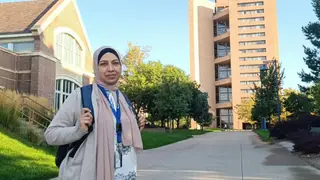
New rules in Azerbaijan bar pupils from wearing clothing deemed to violate secularism in education, leading to protests and detentions. A veteran teacher and her daughter were denied entry to a Baku school for wearing headscarves, and she says the policy conflicts with labor protections. More than 90 percent of Azerbaijan's population is Muslim, and the country's close ally Turkiye has appeared critical of the restrictions.
Gulshan Aliyeva, an English teacher with 23 years’ experience, was denied entry to her Baku high school while wearing a headscarf; her daughter was also turned away. New rules do not name the hijab but bar pupil clothing deemed incompatible with secular education. Authorities reported 37 detentions Monday over public-order disruptions.
The Caucasus Muslims Board head called the hijab a major religious obligation, said state decisions must be respected, and criticized school disruptions. A Baku resident supported uniform rules and opposed hijab for minors. Azerbaijan is over 90 percent Muslim; Soviet-era limits later eased. An opposition leader said the issue needs more discussion.
The restrictions may deepen friction between religious observance and state secular schooling, affecting female pupils, teachers, and families who rely on public education. Detentions and protests could heighten distrust, while monitoring may pressure schools to enforce rules unevenly. Because most Azerbaijanis are Muslim, the dispute could also influence public debate about religion’s role and the country’s ties with Turkiye, though outcomes remain uncertain.