Israel’s Yellow Line leaves southern Lebanon displaced and uncertain
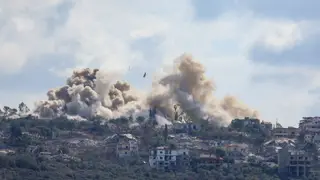
Israel has continued to occupy parts of southern Lebanon and demolish homes and infrastructure despite a June framework agreement meant to lead to a phased withdrawal. Tens of thousands of Lebanese remain displaced, with many unsure whether they can return to villages near the border. Israeli officials have signaled that troops may stay longer, raising fears of an extended occupation.
Under a June framework meant to guide a step-by-step Israeli exit, Israel still holds a belt extending about 10km into southern Lebanon. That boundary is known as the Yellow Line. Behind it, troops have kept destroying housing and infrastructure; roughly 50 border villages, among them Khiam and Bint Jbeil, lie in ruins.
During the renewed war, over 1.2 million Lebanese were uprooted. Tens of thousands still cannot go home. Defence Minister Israel Katz has suggested soldiers will remain, pointing to a prolonged occupation. Planned pilot zones were supposed to hand areas to the Lebanese army, which would remove Hezbollah’s weapons there.
The continuing occupation and destruction could deepen hardship for displaced southern Lebanese, especially families unable to return or rebuild. It may strain host communities and public services, while uncertainty over the Yellow Line could prolong political tensions in Lebanon and complicate cross-border security. Regional stability may also remain fragile if withdrawals stall.