Advocate Urges Digital Links Between Early Childhood Programs and K-12
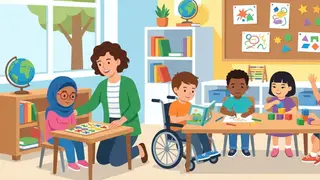
The opinion piece says early care and K-12 education operate in separate systems with different funding, rules, and data practices. It argues that states and districts should build digital infrastructure to connect early learning providers with schools so kindergarten teachers can access children’s learning histories. The author contends that improving K-12 results requires strengthening the early childhood pipeline rather than expanding traditional K-12 administration into early care.
The opinion article comes from Jamee Herbert, a mother and advocate for early care and education. She says early learning and K-12 function separately, with distinct funding, regulations, and data systems, leaving kindergarten teachers without children’s prior learning records.
Early care is delivered through a blend of school districts, community nonprofits, faith-based programs, and private or home-based providers. Families can face complicated eligibility processes and paper-based forms, while districts sometimes get student information only weeks after classes begin.
If states and districts pursue such digital connections, families could find early care options and eligibility processes easier to navigate, while kindergarten teachers may gain useful information sooner. Early providers might spend less time on administration, and districts could better plan support services. The effects may depend on implementation, funding, and data-sharing safeguards, with children, parents, educators, and local agencies most directly affected.