Transportation Departments Turn to AI for Documents and Traffic Data
State and local transportation agencies are using AI to extract insights from large document collections and street-level video. The Georgia Department of Transportation is applying Beacon technology to more than 10 million documents, beginning with roundabout project records, while Raleigh officials use Nvidia tools to analyze near-miss safety data at intersections. Officials say these applications can cut research time and support better project scheduling and budgeting.
Georgia’s transportation department began with a focused test on roundabout records, using Beacon’s AI to surface project traits such as scale, shape and nearby rail lines. That pilot is expanding to roughly 20 terabytes of agency documents and additional project categories, with officials saying historical examples can speed planning and budgeting.
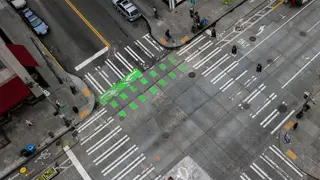
In Raleigh, an effort that initially counted vehicles at six intersections has grown to identify pedestrians and cyclists, including lane position and turning patterns. The system also flags near misses and roadway hazards like stalled cars, objects or water, which may help officials decide when to close an intersection.
These tools could affect engineers, planners, drivers, pedestrians and cyclists by reducing time spent searching records and by revealing intersection patterns that are hard to see manually. Faster access to past project details may help agencies schedule and budget work more efficiently, while near-miss analysis may inform safety improvements. If video analytics spread, questions about data governance and privacy may also arise, though the article does not address them.