Crypto Cards Gain Everyday Utility Through Apple Pay and Google Pay
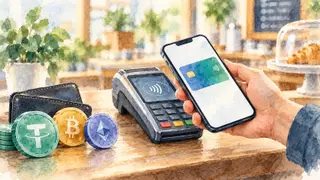
Crypto-backed cards paired with Apple Pay and Google Pay allow users to spend digital assets via existing card networks rather than requiring merchants to accept coins directly. Stablecoins such as USDT can fund these cards, but users should review associated fees and restrictions. The combination reduces friction by letting a crypto balance function more like ordinary spending money on a phone.
Crypto-backed cards bridge digital asset balances and conventional card rails. A user can load a card with assets such as USDT, Bitcoin, or Ethereum; the provider converts that value into spendable card funds. Adding the card to Apple Pay or Google Pay lets contactless terminals process a normal card transaction, so shops need no wallet or blockchain knowledge.
Direct coin payments remain uncommon because merchants must handle asset selection, networks, refunds, and volatility, while customers face network and confirmation issues. Mobile wallets reduce that friction by hiding crypto mechanics at checkout. Providers may impose fees and restrictions, so users should check terms before relying on such cards.
This could make crypto balances more usable for everyday purchases, affecting consumers who hold stablecoins and merchants already accepting cards. Because transactions settle through existing card networks, shops may benefit from familiar checkout without new crypto systems. However, fees, conversion rules, and card restrictions may shape who can use it and at what cost. Greater convenience might normalize crypto-linked spending, though risks and access gaps could remain.