Subex wins African fraud deal; Tejas and C-DOT defend BSNL equipment
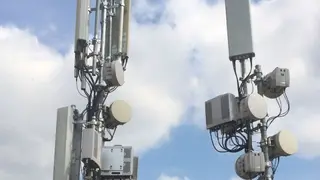
Subex secured a three-year, $700,000 contract from an African mobile operator to provide fraud management across telecom and mobile money services. Spectrum added mobile Wi-Fi sites in hard-to-reach parts of Escambia County, Florida, though few project details were available. Tejas Networks and C-DOT defended their domestically developed equipment used in BSNL's network, saying it meets 3GPP standards and TRAI benchmarks.
Subex's three-year, $700,000 deal with an African mobile operator covers fraud management for both telecom and mobile money services. Its HyperSense platform uses AI and telecom-specific intelligence to spot emerging fraud, support investigations, and speed responses, while extending Subex's reach within a larger global telecom group.
Spectrum added mobile Wi-Fi sites in hard-to-reach Escambia County, Florida, including East Hill and northeast Pensacola, per an October 12, 2026 image caption. No technical, cost, coverage, timeline, or site-count details were available. Separately, Tejas Networks and C-DOT said their BSNL equipment meets 3GPP standards and TRAI benchmarks after BSNL sought relaxed QoS timelines tied to domestic sourcing.
African telecom and mobile-money customers could see stronger fraud detection, potentially reducing losses and improving trust in digital payments. In Florida, residents and businesses in hard-to-reach Escambia County areas may gain better connectivity if the Wi-Fi sites perform as intended. In India, BSNL subscribers and the domestic equipment ecosystem may be affected by how the quality dispute and 4G rollout proceed, with service reliability and project timelines potentially at stake.