Philippines Advances Bills to Restrict Children’s Social Media Access After School Violence
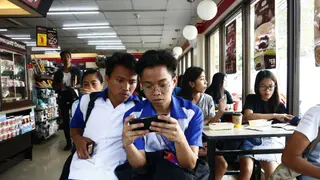
Philippine lawmakers have moved forward with bills that would ban social media for children under 13 and limit access for those aged 13 to 17. The proposals follow a series of school shootings and stabbings that officials believe may be connected to harmful online influences. The bills still need to be reconciled before being sent to President Ferdinand Marcos Jr., who said his administration is studying whether such restrictions would be effective.
The House measure cleared with 287 votes in favor and three opposed. It would prohibit platforms for under-13s and place limits on 13-to-17-year-olds. The Senate version, approved the previous week, sets a higher cutoff, excluding under-18s from services deemed high-risk. Because the chambers' texts differ, they must be reconciled before reaching President Ferdinand Marcos Jr.
Lawmakers acted after school shootings and stabbings this year, including a reported foiled mass-shooting plan in February. The education secretary suggested online exposure to harmful sites, groomers, and extremist recruiters might have contributed. Similar restrictions tied to age have been debated in the Philippines since at least 2019 and have also been introduced in Australia and the U.K.
If enacted, the restrictions could reshape how millions of Filipino minors use online platforms, potentially reducing exposure to harmful content but also limiting access to peer support and information. Families, educators, and platforms may face new enforcement and compliance challenges. Adolescents might find ways around bans, as seen elsewhere, so the measures' mental health and safety effects may depend on implementation, digital literacy efforts, and alternative safeguards.