The Psychological Value of Bringing Home a Meaningful Souvenir
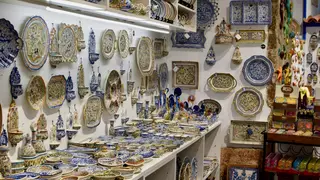
Research suggests that souvenirs tied to a destination's people, place, and history can help extend the well-being of a trip. Their psychological benefit comes from sentimental meaning and memory, not from owning an object alone. Displaying them may trigger positive recollections during ordinary days.
Research involving three studies found that souvenirs linked to a destination’s place, people, and history helped travelers carry well-being home. Their effect came through sentimental meaning and renewed connection to the trip, not merely possession. Souvenirs may act like “experiential products,” possessions valued for the experiences they evoke, producing well-being closer to experiences than ordinary material purchases.
A 2024 study interviewed owners of refrigerator magnets. Because these objects stayed visible, people encountered them during daily routines, triggering “post-holiday memory work”: recalling places, people, events, and emotions, often with positive feeling. Memory relies on cues, and physical reminders can interrupt ordinary life to retrieve otherwise fading travel memories.
Count words. First para: Research(1) involving2 three3 studies4 found5 that6 souvenirs7 linked8 to9 a10 destination’s11 place12 people13 and14 history15 helped16 travelers17 carry18 well-being19 home20. Their21 effect22 came23 through24 sentimental25 meaning26 and27 renewed28 connection29 to30 the31 trip32, not33 merely34 possession35. Souvenirs36 may37 act38 like39 “experiential40 products,”41 possessions42 valued43 for44 the45 experiences46 they47 evoke48, producing49 well-being50 closer51 to52 experiences53 than54 ordinary55 material56 purchases57. Second: A58 2024? Wait "A 2024 study" word A=58, 2024=59, study=60, interviewed=61, owners=62, of=63, refrigerator=64, magnets=65. Bec
... No extra. Plain text. Good. Need maybe "under 120 words total" for EXPANDED. We have 114. Good. "2 short paragraphs" yes. Context under 90. Good. Need ensure no source phrasing copied. We have "well-being" common, "experience-oriented possessions" not exact. "refrigerator-magnet owners" original. "post-trip remembering" original. "Memory depends on cues" source says Human memory needs cues. Fine. "physical reminders can interrupt ordinary life" source says physical object can interrupt ordinary life. That's close? "physical reminders can interrupt ordinary life" maybe source phrasing "A physical object can interrupt ordinary life". We changed object to reminders, can to can. Is that copying? Maybe okay? To be safe, rephrase: "A tangible reminder can break into routine moments..." But count. Let's adjust second sentence: "Memory relies on prompts, and tangible reminders can break into routine moments to recover travel memories that might otherwise fade." Count similar. Source "Hum