Browder Says Diesel Deal Shows Russia’s Vulnerability, Not Strength
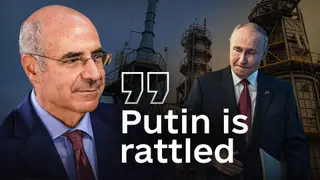
In a Kyiv Independent interview, Browder discussed Trump's move to permit Russian diesel exports to the United States. He argued the arrangement exposes Russian weakness and considered its consequences for Ukraine and Western policy. The discussion also addressed whether sanctions can compel Russia to negotiate.
The story centers on a Kyiv Independent interview in which Browder assessed a U.S. decision to permit Russian diesel exports. He argued the arrangement reveals Russian weakness rather than strength, while linking it to consequences for Ukraine and Western policy. The discussion also raised whether sanctions can push Russia toward negotiations. It sits within broader debates over energy trade, economic pressure, and how outside governments try to influence the war’s trajectory. Because only the headline and summary are available, the specific terms, timing, and scope of the diesel arrangement remain unclear.
This development could affect how Western publics and policymakers view sanctions and energy trade. Ukrainian officials and their supporters may see it as a test of whether economic measures can alter Russia’s calculations. U.S. consumers and energy markets could also be indirectly affected if the policy changes supply or prices. The broader societal impact may depend on whether the arrangement is interpreted as leverage for negotiation or as a concession, shaping debate over continued support for Ukraine.