Tribe Uses Nearly $1M Grant to Bring Back Palouse Prairie Habitat
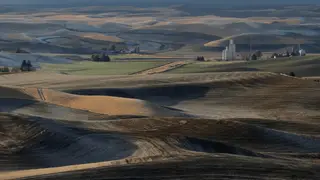
The Coeur d’Alene Tribe has received a grant of almost $1 million to restore remaining stretches of Palouse prairie on its land and to create a seed bank. The prairie once covered parts of eastern Washington and Idaho with native grasses, flowering plants, and shrubs that provided food and medicine and helped store carbon. Much of the ecosystem was converted to farmland, and invasive species now threaten the surviving patches.
Long ago, the Palouse prairie stretched across parts of eastern Washington and Idaho, supporting perennial grasses, wildflowers, and shrubs. It provided culturally important food and medicine, including camas and bitterroot, while its deep-rooted plants and soil stored carbon and absorbed water, helping buffer floods and drought.
Today, most of this ecosystem has become farmland, and invasive plants threaten the remaining intact patches. The Coeur d’Alene Tribe’s nearly $1 million award supports restoring remnant prairie on tribal land and building a seed bank to reintroduce native plants onto former fields.
This effort could affect Coeur d’Alene tribal members by supporting access to traditional foods, medicines, and cultural practices tied to the prairie. Nearby communities may benefit if restored vegetation improves water retention, carbon storage, and habitat, though results depend on seed establishment and invasive control. Researchers and conservation groups might use the seed bank as a regional resource, while farmers could face questions about how restored prairie fits alongside agricultural land. Long-term impact may hinge on whether ecological gains are sustained.