Extreme Weather and a Powerful El Niño May Shift Autumn Leaf Colors
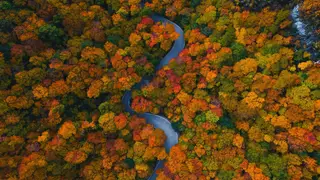
Autumn leaf color still occurs because shorter days trigger trees to stop photosynthesis and reclaim chlorophyll. However, drought, heavy rain, and heat can alter when and how vividly leaves change, and scientists are still studying those effects. Experts say the timing and intensity of fall foliage will vary with climate trends and local weather.
Day length remains the main cue for autumn color, so some change is inevitable. As sunlight declines, trees reduce photosynthesis and recover chlorophyll, exposing yellows. Maples can also make red anthocyanins that shield leaves while nutrients are absorbed.
Weather adds variability. Warmer conditions may lengthen growth and soften color, while drought or heavy rain can stress trees and speed chlorophyll loss. Species differ: sugar maples are sensitive, oaks more tolerant. Wildfire smoke may coat leaves and limit photosynthesis, though effects remain poorly understood.
Uncertain fall foliage could affect leaf-peeping tourism, a seasonal economic driver for some rural communities. Businesses tied to travel, lodging, and recreation may see shifts if color timing or vividness changes. Forest managers and researchers may also face harder decisions as weather variability complicates predictions. Because effects vary by species and location, any societal impact is likely uneven and not yet fully known.