Ketamine’s Risks Persist Despite Approved Depression Treatment
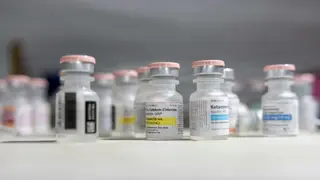
The article discusses ketamine's dual role as a valuable medical drug and a substance linked to dissociation, incapacitation, addiction, and exploitation. Recent allegations and a celebrity death have renewed attention to the need for careful assessment, consent, and monitoring when ketamine is used, especially outside supervised Spravato treatment. It argues that a prescription does not remove the drug's dangers and that off-label use requires similar safeguards.
Ketamine moved from battlefield and surgical anesthesia into late-1980s club culture before U.S. Schedule III control in 1999; later Yale research spurred antidepressant interest. Its dissociative effects can aid painful procedures, yet at high recreational doses may bring immobility, memory trouble, and the “K-hole.”
Survey data from New York City nightclubs show use nearly doubling from 7.4% in 2017 to 14.3% in 2024. UNODC includes ketamine among substances tied to sexual assault facilitated through drugs, though alcohol is more often involved; mixing with alcohol raises risks of unconsciousness and breathing problems. Agreeing to take ketamine does not mean agreeing to sex.
The story may affect patients weighing ketamine or Spravato, clinicians deciding how closely to monitor, and young clubgoers exposed to recreational use. It could encourage clearer consent, addiction-history assessment, and observation during and after treatment. Survivors and accused parties may also feel consequences as allegations proceed. Its broader impact could depend on whether coverage distinguishes supervised medical care from off-label or illicit use.