Data Centers Near Texas-New Mexico Border Threaten Regional Climate Goals
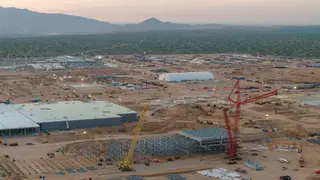
New Mexico and El Paso each adopted multimillion-dollar climate plans intended to sharply reduce greenhouse gas emissions. Three large data centers are now being built or planned near the Texas-New Mexico border, including projects by Oracle and Meta, and they could substantially raise the region's emissions. Because the projects cross state lines, regulators have largely assessed their environmental effects separately, even as both places pursue emission cuts.
New Mexico published a climate plan last December, and El Paso adopted a similar one months later; each cost millions. Neither plan factored in data center growth.
Oracle’s Project Jupiter is under construction in Doña Ana County, while Meta is building in El Paso. A larger third project is planned at Fort Bliss. Each would have its own power plant, and combined emissions could match more than two million cars yearly, with particulate matter and nitrogen oxides also released.
Residents in El Paso and southern New Mexico could face added air pollution, water demand, and electricity costs as these data centers develop. Their communities may also see climate goals become harder to meet. Because regulators reviewed the projects separately across state lines, cumulative regional effects could receive less scrutiny. This may increase pressure on local officials and utilities to coordinate planning, emissions accounting, and public disclosure.