Colombian opposition marches against de la Espriella’s austerity agenda
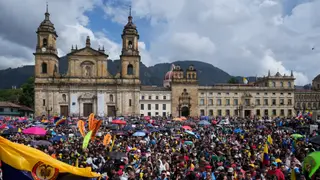
Opposition parties, unions, Indigenous groups and social movements marched in Colombia against President Abelardo de la Espriella's economic and security policies. Thousands demonstrated in Bogota and other cities, with former left-wing President Gustavo Petro joining the first day of a nationwide campaign. The protesters oppose planned spending cuts and the restoration of ties with Israel, as Congress faces a deadline to approve the 2027 budget.
The demonstrations began Wednesday in Bogota and other major cities, organized by opposition parties, unions, Indigenous communities and social movements. They oppose spending cuts and the restoration of ties with Israel, while Congress has until Tuesday to pass the 2027 budget. De la Espriella’s allies are pushing reduced government spending.
De la Espriella, a former defence lawyer and wealthy businessman, won a narrow June runoff and took office in August. He promised free-market policies, smaller government, migrant expulsions and reversals of Petro-era reforms. Petro, barred from re-election by the single-term limit, joined the march’s first day.
The budget fight and protest campaign could affect public workers, students, Indigenous and rural communities, and low-income households relying on social programmes. New police powers may alter how demonstrations are policed, potentially raising tensions if enforcement is seen as uneven. If cuts advance, labour protections, university access and wage gains from the previous administration may face pressure. The unrest could also deepen political polarisation and complicate congressional negotiations, while road blockades may disrupt transport and local commerce.