Massachusetts Weighs Strict AI Safety Requirements
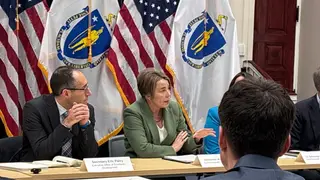
Massachusetts lawmakers are considering one of the nation's toughest AI safety laws, which would require independent testing of powerful models for catastrophic risks. Gov. Maura Healey has asked legislators to include AI safety and transparency provisions in an economic development bill, even as President Donald Trump favors industry self-regulation. California, Illinois, and New York already require major AI developers to publish risk management plans, report serious incidents, and protect whistleblowers, with Illinois also mandating an annual third-party audit.
Healey wants AI safety and disclosure measures folded into the Mass Wins economic development package now under negotiation on Beacon Hill. The state Senate’s economic development chair, Barry Finegold, said Friday the matter remains under discussion, while Google, Anthropic, OpenAI and Meta are lobbying lawmakers.
Existing statutes in California, Illinois and New York compel large AI builders to disclose safety plans, notify the state about serious incidents, and shield whistleblowers; Illinois alone requires a yearly outside audit. Massachusetts’s proposal would go further by having outside examiners inspect core models at least three times annually, with developers paying, and defines catastrophic harm as 50-plus deaths or injuries or $1 billion in damage.
If enacted, the measure could reshape how frontier AI developers operate in Massachusetts, requiring outside scrutiny and incident reporting that may increase compliance costs and transparency. Residents might gain stronger safeguards against large-scale harms, while startups and researchers could face unclear burdens if rules apply broadly. The outcome may also influence other states weighing similar laws, though federal resistance and industry lobbying could limit reach.