Colossal unveils AI tool to guide de-extinction gene editing
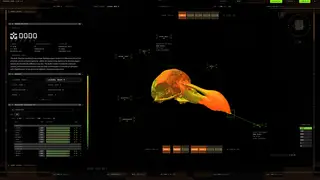
Colossal Biosciences introduced GenoMorph, an AI platform designed to speed up de-extinction research. The system combines 3D morphology, comparative genomics, and developmental biology to identify promising gene edits, including roughly 2,300 targets tied to dodo skull and facial traits. Peter Diamandis also launched a fund to support startups that use the platform.
Colossal Biosciences says its new GenoMorph platform draws on developmental data from chickens, quail, ducks and pigeons, plus genetic and 3D skull measurements from over 70 bird species. Building it took more than a year. Because only a single dodo genome exists — versus roughly 100 for the woolly mammoth — the tool narrows the search for meaningful edits. Colossal reports about 2,300 candidate targets linked to dodo skull and facial features.
The company also said its Nicobar pigeon flock has grown to 36 birds and that it produced the cells that develop into eggs and sperm. A lipid nanoparticle system delivers gene-editing tools into developing bird embryos, letting researchers observe effects without waiting for a full breeding cycle.
If such tools mature, they could lower barriers for researchers working with scarce ancient DNA, potentially speeding conservation-adjacent and biotechnology projects. Investors backing startups through the new fund may gain early access to the platform, while labs without similar resources could find themselves at a disadvantage. Public debate may intensify over how precisely gene edits can be validated before animals are involved. The near-term effects likely remain confined to research settings, with broader ecological or commercial consequences uncertain.