Transformer Supply Crunch Raises Costs for Clean Energy and Grid Projects
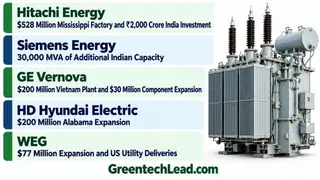
A worldwide shortage of transformers is driving up procurement costs and delaying schedules for renewable energy, transmission networks, AI data centers, and industrial projects. The International Energy Agency found that large power transformers can take up to four years to procure, while real prices rose about 75% between 2019 and 2024. Manufacturers including Hitachi Energy, Siemens Energy, GE Vernova, HD Hyundai Electric, and WEG are investing in new plants, but those factories will not ease supply until construction, qualification, and production ramp-up are complete.
The International Energy Agency assessment indicates large power transformers can require as long as four years to obtain, and real prices climbed roughly 75% from 2019 to 2024. Demand is being pushed by three overlapping cycles: rising electricity use, renewable integration, and replacement of older grid assets. AI data centers, solar, wind, and battery projects all add connection needs, while utilities reinforce networks.
McKinsey projects global transformer demand growing about 3.5% yearly through 2035. In Europe and North America, 2025 domestic power transformer demand was estimated at 914 GVA against 566 GVA of domestic supply. Imports filled some gap, but unmet demand persisted. Distribution transformers cannot simply replace large transmission units, and HVDC projects need specialized equipment.
The transformer crunch could affect households, businesses, utilities, renewable developers, and data center operators. Higher equipment costs and long lead times may delay clean energy and grid projects, potentially slowing emissions reductions and raising electricity prices. Manufacturers’ new plants may create skilled jobs, but benefits could arrive only after years of construction and qualification. Communities reliant on aging grids may face greater uncertainty about reliability and new connections, while project planners may need to adjust timelines and budgets.