Iran's President Says US-Led Blockade Is Harshest Since Revolution
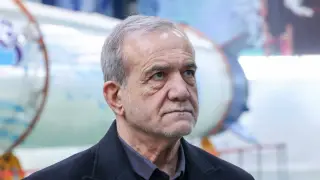
Iranian President Masoud Pezeshkian said Iran is enduring its most severe blockade since the 1979 Islamic Revolution and accused the United States of trying to provoke public protests. He spoke as the US maintains a port blockade in response to Iran's closure of the Strait of Hormuz, amid a war that began with US-Israeli strikes in February. Pezeshkian said Washington aims to worsen Iranians' living conditions and trigger unrest.
Pezeshkian made the remarks in a state-television address. He said the current combination of war, restrictions, and hardship exceeds anything Iran has experienced since its 1979 revolution. The conflict began on February 28 after US and Israeli attacks killed Supreme Leader Ayatollah Ali Khamenei.
Washington's port blockade followed Tehran's move to shut the Strait of Hormuz. It has stopped or redirected ships bound to or from Iranian ports. Iranian authorities have previously blamed the US and Israel for domestic unrest, and have executed citizens accused of aiding foreign adversaries. Cost-of-living demonstrations last December grew into broader protests against the government.
The blockade and wartime conditions could deepen economic strain for ordinary Iranians, especially those already struggling with living costs. If shortages or price pressures worsen, public frustration may grow, though the government could also intensify internal security measures. The leadership's accusations against Washington and Israel may shape how some citizens interpret domestic unrest, while protests—if they recur—could affect social stability and the government's room for diplomatic maneuvering.