Why Washington Should Reclaim Its Anti-Corruption Role Abroad
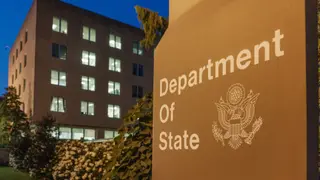
Richard Nephew argues that corruption remains a major foreign policy challenge even as the Trump administration has downgraded anti-corruption work. He contends that U.S. political, economic, and security interests are served by fighting corruption abroad and that Washington should restore this priority. The piece draws on his experience as the Biden administration’s Coordinator on Global Anti-Corruption.
Richard Nephew, who served as the Biden administration’s Coordinator on Global Anti-Corruption, writes in Just Security’s “When the Guardrails Erode” series that Washington has moved away from a longstanding bipartisan emphasis on fighting corruption overseas. He notes that the Trump administration has downgraded the issue, despite corruption’s links to instability and openings for hostile actors.
Nephew says his own interagency and international work produced only partial progress. He identifies four shortcomings: overextended efforts, weak accountability, slow adaptation, and insufficient attention to domestic corruption. Each, he argues, suggests a corrective path for future administrations.
This argument may influence how policymakers, businesses, and civil society view anti-corruption as foreign policy. If Washington restores priority, U.S. firms abroad could face fairer competition, and financial institutions may strengthen safeguards. Communities where corruption fuels instability might benefit from reduced impunity, though results depend on implementation and political will. The piece could also shape future administrations’ agendas and public debate.